
Creativity has always been the ultimate competitive advantage. Ideas differentiate brands. Stories build trust. Concepts create movements.
But in today’s environment, creativity is no longer constrained by imagination alone—it is constrained by structure.
Professionals aren’t struggling to generate ideas. They’re struggling to generate consistent, high-quality creative output at scale.
This is where creative intelligence prompting enters—not as a shortcut, not as automation theater, but as a designed system for amplifying human creativity with AI.
This article explores how advanced professionals use AI prompting as a creative intelligence engine—one that transforms inspiration into repeatable, professional-grade creative performance.
Why Creativity Has Entered an Intelligence Era
The creative landscape has shifted faster than most people realize.
Content volume has exploded. Platforms reward speed, consistency, and relevance. Brands compete not just on originality, but on output density—how many ideas they can test, deploy, and refine in real time.
In this environment, raw inspiration is no longer enough.
Creativity has entered an intelligence era because:
- Creative output must now scale across formats, channels, and audiences
- Professionals are expected to ideate, execute, and iterate faster than ever
- Quality alone is insufficient without consistency
- Creative decisions increasingly depend on systems, not moments of inspiration
AI didn’t create this pressure. It revealed it.
When used poorly, AI produces generic content. When used strategically, it becomes a force multiplier for creative intelligence—a way to externalize thinking, accelerate ideation, and maintain coherence across massive creative workflows.
The difference is not the tool.
It’s the design of the prompting system behind it.
From Inspiration to Structured Creative Systems
Traditional creativity relies heavily on intuition. Mood. Timing. Flow.
These elements still matter—but they don’t scale.
Professional creatives have always used systems, even before AI:
- Editorial frameworks
- Story structures
- Brand guidelines
- Creative briefs
- Visual languages
AI simply exposes whether those systems are explicit—or implicit.
Creative prompting replaces vague direction with designed intelligence inputs. Instead of asking AI to “be creative,” professionals define:
- Perspective
- Constraints
- Voice
- Objectives
- Output logic
This shift mirrors what happened in other disciplines:
- Design moved from aesthetics to design systems
- Marketing moved from campaigns to funnels
- Writing moved from inspiration to frameworks
Creative prompting is not about writing better instructions.
It’s about encoding creative thinking into repeatable structures.
What Most People Get Wrong About AI Creativity
Most disappointing AI outputs stem from the same misunderstanding.
People assume AI creativity works like magic. They expect originality from emptiness.
Generic prompts produce generic results because they lack:
- Direction
- Context
- Creative tension
- Decision frameworks
When someone types “Write a creative brand story,” they are outsourcing thinking instead of structuring it.
AI doesn’t replace creative judgment.
It mirrors it.
Professional-grade prompting treats AI as a collaborator that needs:
- A role
- A worldview
- A creative objective
- Boundaries
- Evaluation criteria
Without these, output defaults to averages. With them, output becomes strategic, distinctive, and scalable.
This is why prompt lists fail professionals. They optimize convenience, not intelligence.
Prompting as a Creative Intelligence Engine
At an advanced level, prompting is not about individual outputs—it’s about orchestrating creative processes.
Well-designed creative prompting systems handle three core functions:
Ideation
AI becomes a structured brainstorming partner that explores angles, metaphors, narratives, and conceptual territories—without losing relevance or intent.
Execution
Once direction is set, prompts guide AI toward precise formats, tones, and deliverables aligned with professional standards.
Variation
Instead of repeating work, creatives generate controlled variations—testing messaging, visuals, and storytelling approaches systematically.
This turns creativity from a fragile resource into a designed engine.
The goal isn’t infinite randomness.
It’s infinite possibility within strategic boundaries.
Multimodal Creation: Text, Image, Audio, and Video
Creative work is no longer linear.
Modern projects move fluidly across formats.
A single idea may become:
- Written content
- Visual identity
- Motion design
- Scripted video
- Audio narrative
Advanced creative prompting recognizes this and treats AI as a multimodal creative partner.
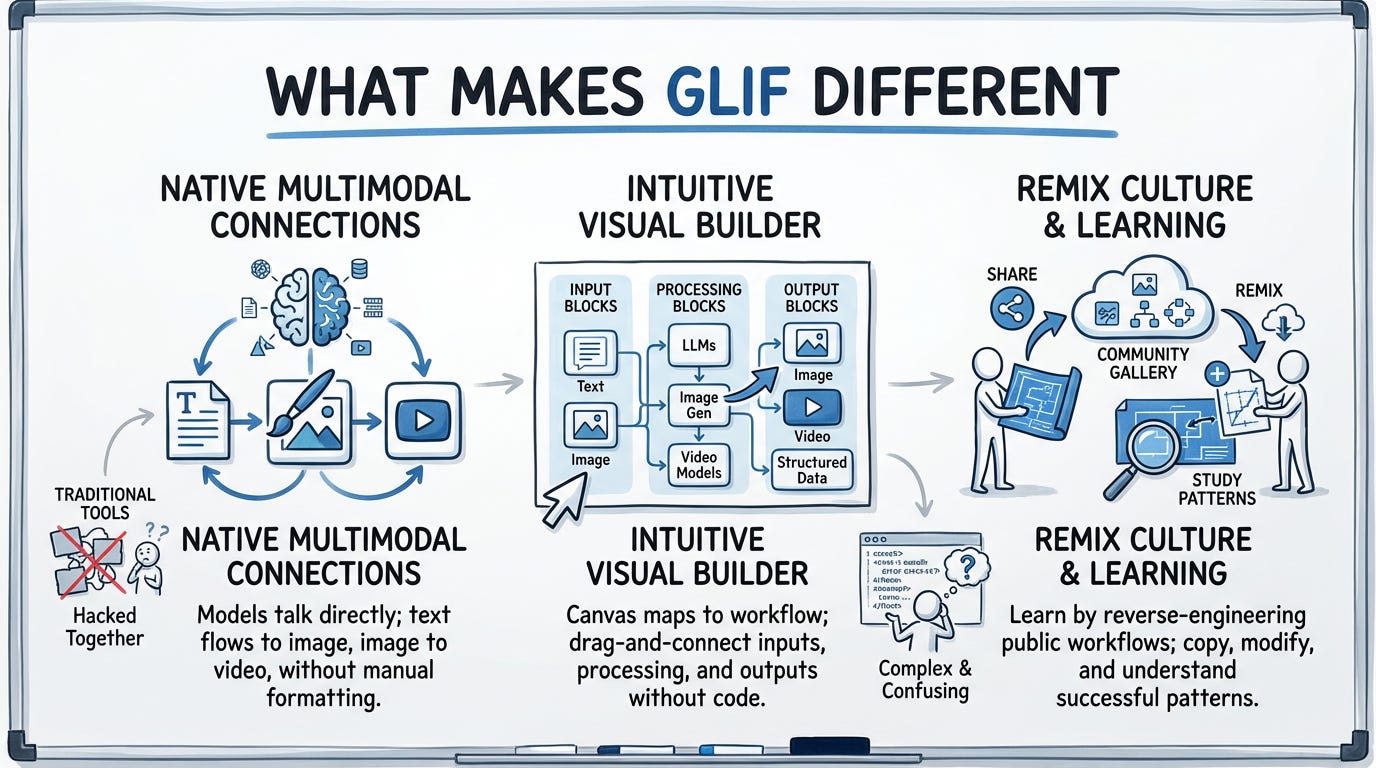
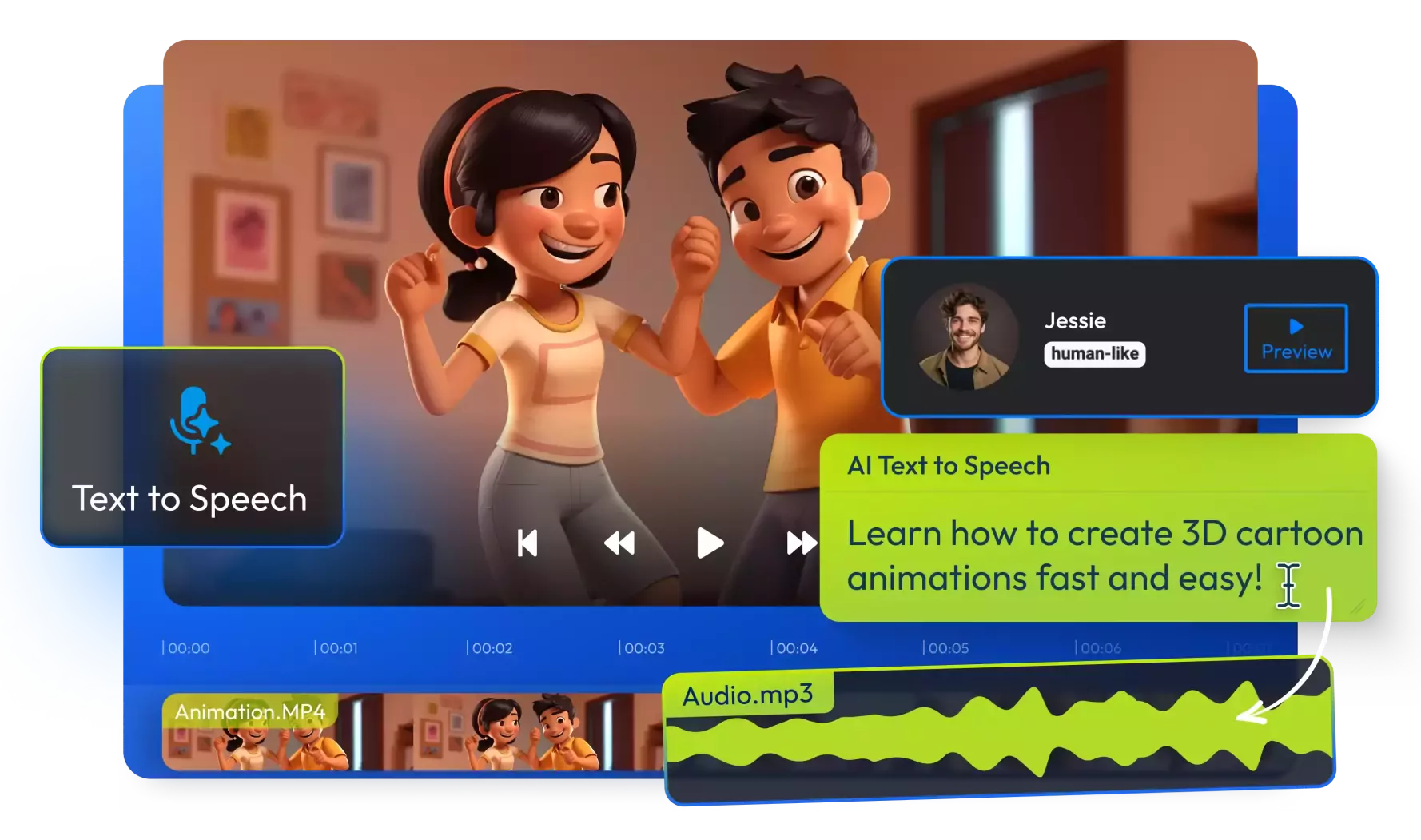
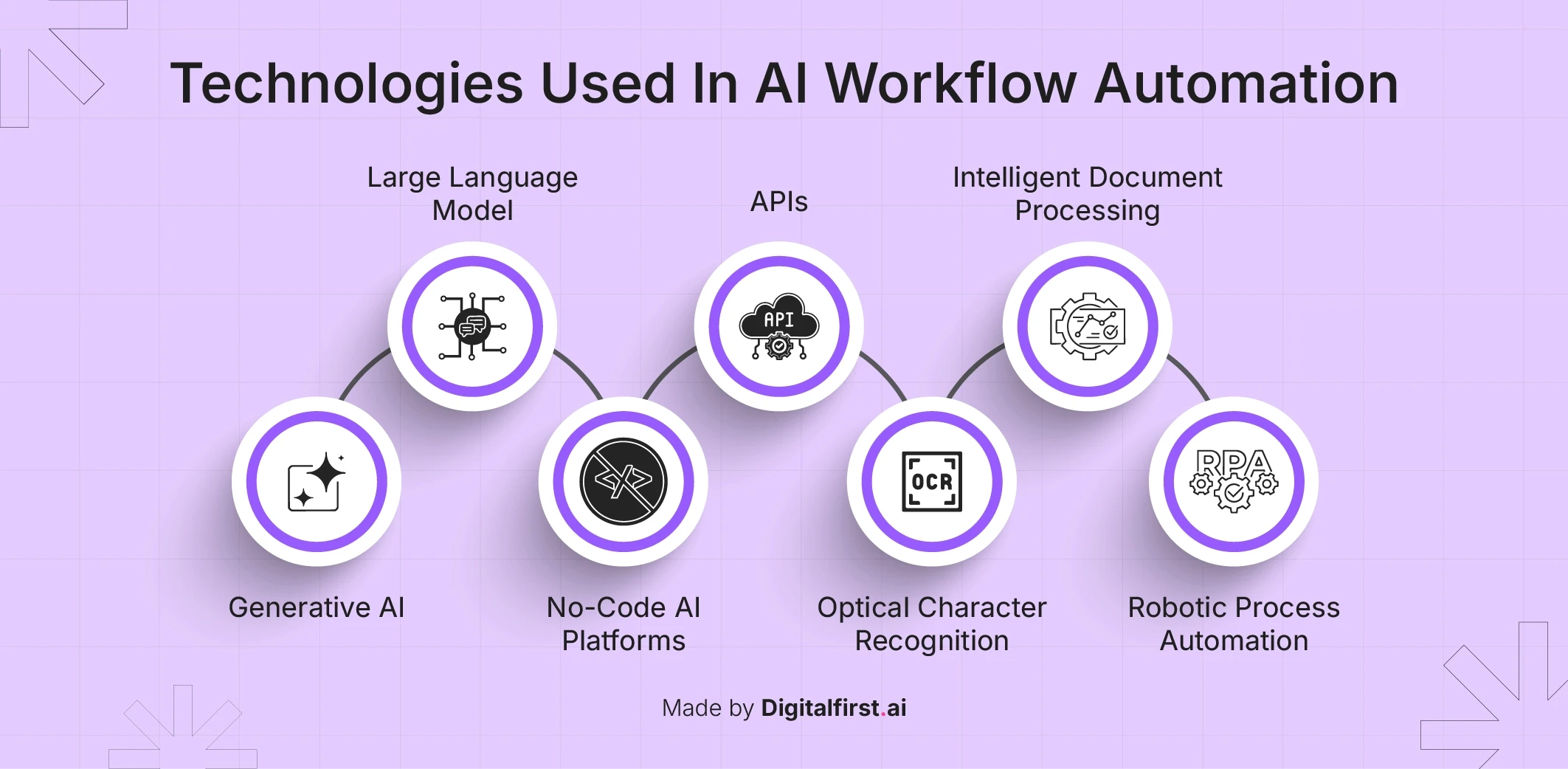
Instead of isolated prompts, professionals design cross-format creative intelligence flows:
- Text informs visuals
- Visuals shape storytelling
- Storytelling guides audio
- Audio reinforces brand voice
This approach ensures coherence, not fragmentation.
Multimodal prompting is not about mastering tools.
It’s about maintaining creative continuity across media.
Why Creative Prompting Requires Systems, Not Experiments
Most people approach AI creativity experimentally.
They test prompts. Adjust wording. Hope for improvement.
Professionals design systems.
A creative intelligence system includes:
- Defined creative roles
- Reusable structural logic
- Consistent output standards
- Feedback loops
- Adaptability across contexts
This transforms AI from a novelty into infrastructure.
Without systems, creativity becomes reactive.
With systems, creativity becomes predictable without becoming repetitive.
The difference is subtle but decisive.
Experimentation explores what’s possible.
Systems ensure what’s possible becomes repeatable.
Introducing The Creative Intelligence Prompting Series™
The Creative Intelligence Prompting Series™ is a premium professional collection designed for creatives who want to move beyond isolated prompts and build complete creative intelligence systems.
Rather than focusing on automation tricks or surface-level prompt hacks, the collection explores prompting as:
- A framework for infinite ideation
- A method for structured creative execution
- A system for scaling originality without dilution
It is built for professionals who treat creativity as a discipline—not a gamble.
👉 Explore The Creative Intelligence Prompting Series™
The collection is intentionally comprehensive, designed to support long-term creative workflows across writing, branding, design, storytelling, and multimedia creation—without reducing creativity to templates.
Who This Collection Is Designed For
This collection is not for beginners experimenting with AI for the first time.
It is designed for:
- Senior content creators and strategists
- Copywriters and brand architects
- Designers and visual thinkers
- Filmmakers and multimedia storytellers
- Creative agencies and studios
- Professionals building AI-powered creative workflows
If your work requires originality, coherence, and scale—this approach aligns.
If you are looking for shortcuts or novelty prompts, it will feel demanding.
That distinction is intentional.
Creativity Scales When Intelligence Is Designed
Creativity was never meant to be fragile.
It becomes fragile when it relies solely on inspiration.
It becomes scalable when intelligence is designed.
Creative prompting is not about controlling AI—it’s about structuring human intent so AI can amplify it faithfully.
The future of creative work belongs to professionals who treat creativity as a system:
- Designed
- Iterative
- Multimodal
- Strategic
When intelligence is embedded into the creative process, output stops being accidental—and starts being inevitable.
👉 View the complete creative intelligence prompting collection
Creativity doesn’t disappear in the age of AI.
It evolves—when intelligence leads.